The Enduring Influence of Mayan Civilization on Modern Artistic Expression

Updated: Feb 20
The Mayan civilization, known for its rich culture and advanced knowledge, continues to inspire artists today. One striking example is the Hunab Ku typeface created by Jorge Letona, which draws deeply from Mayan symbols and cosmology. This blog explores how the legacy of the Mayan civilization shapes contemporary art, focusing on Letona’s work and its broader cultural significance.

The Roots of Mayan Artistic Influence
Mayan art is characterized by complex iconography, vibrant colors, and symbolic motifs that reflect their worldview. These elements appear in murals, pottery, and architecture, often telling stories of gods, nature, and the cosmos. The civilization’s emphasis on geometry and symmetry also informs modern design principles.
Artists today find inspiration in these features because they offer a visual language that connects history, spirituality, and identity. The Mayan approach to art was not just decorative but carried meaning, making it a rich source for reinterpretation.


Jorge Letona and the Hunab Ku Typeface
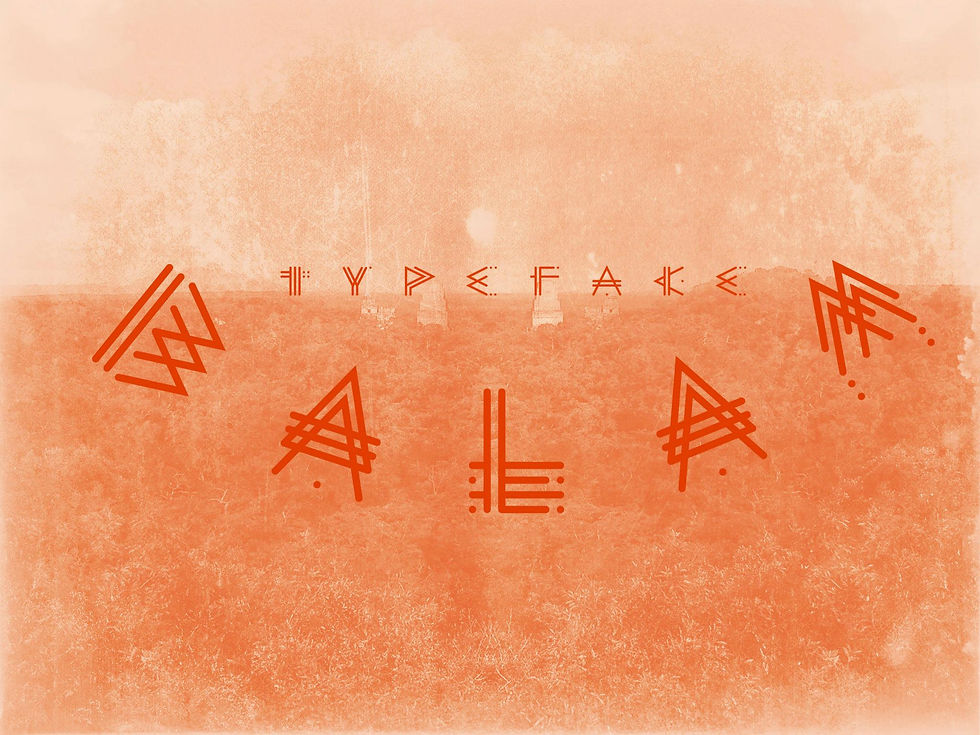
Jorge Letona’s Hunab Ku typeface stands out as a contemporary homage to Mayan culture. Named after the Mayan symbol for the "One God" or universal consciousness, Hunab Ku represents unity and balance. Letona’s design incorporates angular shapes and glyph-like characters that echo ancient Mayan script.
This typeface is more than a font; it is a bridge between past and present. It allows designers and artists to embed cultural heritage into modern media, from graphic design to digital art. Letona’s work highlights how traditional motifs can be adapted without losing their original significance.
Mayan Symbolism in Contemporary Art
Beyond typography, Mayan symbols appear in various forms of modern art:
Street art and murals often feature Mayan gods and cosmological themes, especially in regions with strong indigenous roots.
Fashion designers incorporate Mayan patterns into textiles, blending ancient motifs with modern styles.
Digital artists use Mayan geometry to create immersive visuals that explore identity and history.
These examples show how Mayan culture remains a living influence, not confined to museums but actively shaping creative expression.



Why This Influence Matters Today
The ongoing presence of Mayan elements in art helps preserve and celebrate indigenous heritage. It challenges mainstream narratives by giving visibility to cultures often overlooked. For artists, engaging with Mayan themes offers a way to explore identity, spirituality, and history in a meaningful way.
Moreover, the fusion of ancient and modern styles encourages innovation. It invites audiences to appreciate the depth behind visual elements that might otherwise seem purely decorative.
Bringing Mayan Art into Your Creative Work
If you want to incorporate Mayan influence into your projects, consider these tips:
Study Mayan symbols and their meanings to use them respectfully.
Experiment with geometric shapes and symmetry inspired by Mayan design.
Explore typefaces like Hunab Ku to add authentic cultural elements.
Collaborate with indigenous artists to ensure cultural accuracy and support.


Comments